

FCL vs. LCL: Which Shipping Method is Right for Your Business?
Updated: Apr 30
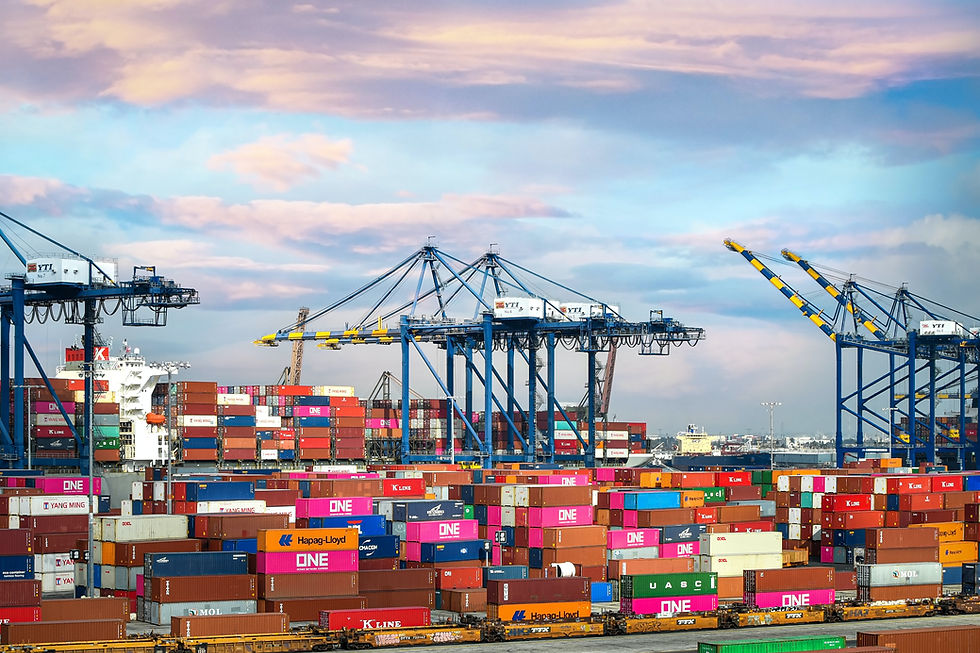
One of the most common decisions in international logistics is determining whether you need a full container (FCL) or if it's better to consolidate your cargo (LCL). Choosing correctly directly impacts your profit margin. 🚢
Understanding the Differences
FCL (Full Container Load): You rent the entire container for your exclusive use. It's ideal when you have enough volume (generally over 15 cubic meters) or when cargo security is critical, as the container travels sealed from origin to destination.
LCL (Less than Container Load): You share space inside a container with other importers. You pay only for the volume you occupy. It's the perfect solution for small shipments or for maintaining a constant inventory flow without accumulating large stocks.
When to Choose Which? FCL is usually faster and safer, as it avoids intermediate handling. LCL offers financial flexibility but requires slightly longer transit times due to consolidation and deconsolidation processes at ports.
The Right Strategy It's not always just about volume. Sometimes, a large LCL shipment can be more expensive than a small FCL. Analyzing the break-even point is key.
At LOOP, we analyze your volumes and purchasing frequencies to recommend the method that optimizes your costs and times, ensuring you don't pay for air you aren't shipping. ✨


Comments